For sake of feedback–the last two episodes of the podcast (525, 526) have been awesome. Possibly the best back to back shows you’ve put on….and I’ve heard em all. Hopefully I’m one of many who has this sentiment. Keep up the great content.
Wall Street always overflows with Holy Grails—those predictions, strategies, secret formulas, and genius interpretations that promise otherworldly knowledge and riches if you just trust. They are most often delivered in the investment world through a black box—a closed system where the inputs and outputs are known, but the internal analytical workings are left top secret, only for the high priests’ consumption. Black box positioning goes far beyond markets, however. It is not surprising in a modern, interconnected age that when you take a very smart guy, rows of computers, proprietary formulas, and code that only the one smart guy can see, and then add a string of successful forecasts, boom—you end up with a nerdy, made-for-social-media superstar who suddenly makes prediction cool for the proletariat.
During one of your recent podcasts, you and Wesley Gray were discussing how the academic community considers the volatility of an asset’s price to be its risk while you and Gray consider the permanent loss of the capital invested in an asset to be its risk. Many years ago, I read an interview of Harry Markowitz where he stated that he used volatility to measure the risk of an asset because “it made the math easy.” I was completely shocked. The father of Modern Portfolio Theory chose his measure of risk based on its mathematical convenience.
I searched for the interview again because I wanted to send a link of it to you so that you could read it for yourself. Unfortunately, I could not find the interview but I still remember the feeling of complete shock that I felt when I read that Markowitz chose volatility as the measure of risk because “it made the math easy.”
What is your understanding of how volatility became the primary measure of risk in finance?
Regards,
[Name]
I don’t believe Markowitz believed that as you state, but rather was designing for theory. As you might recall he was surprised that modern finance was built off his work. He wrote the PhD paper, and others extrapolated his work into something else. Markowitz, himself, stated that “semi-variance is the more plausible measure of risk.”
But I have also see this:
“I would’ve created CAPM around semi-variance, but no one would have understood the math and I wouldn’t have won Nobel Prize…” –Harry Markowitz
Hi Michael, I just wanted to say thank you for writing your books. I’ve read all of them so far except for Trend Commandments.
I am also writing to you for advice. You said, “if all you think you have to do to gain an audience with one of these legendary traders is write a letter, think again.” Or something to that effect. I guess my question is, how should one go about gaining an audience with a Jerry Parker or Salem Abraham? I am going to enter into a paper trading contest and the winner at the end will receive $10K. I am a recent college graduate with a mountain of debt already so winning this contest would be a huge first step on my (hopeful) trend following career. And getting an audience with one of these traders, and possibly gaining a mentor, would help make that happen.
In the midst of this crazy political climate, I have recently gone from neutral to very conservative. This was the first profound experience I had in recent months and discovering your books was the second. Because trend following and technical analysis perfectly resemble conservative beliefs. And fundamental analysis perfectly resembles liberal beliefs, which are both flawed at their core because they both place their faith in something that is fundamentally flawed, human emotion… I am very interested in meeting Jerry Parker one day to see what he thinks about this since he is a conservative. I am seeing so many parallels between politics and trend following. I’m curious to know what you think as well. Anyway, sorry for this small political rant. Thanks again, Michael. Any advice you have is greatly appreciated!
I’m a relatively new listener to your podcast and wanted to thank you for the quality material you present week over week. At the end of your recent show with guest Evan Carmichael you advised listeners to reach out if they have a sincere interest in trend trading. That’s me. I left my job with Vanguard to pursue cryptocurrency investing and so far my buy and hold strategy with Ethereum has worked well… but not good enough. I see a lot of potential for various aspects of technical analysis and momentum trading to be incorporated into the strategy I’m currently developing. I would greatly appreciate any materials you can offer to help me along the way in my journey toward actualizing a real trend trading approach to this asset class.
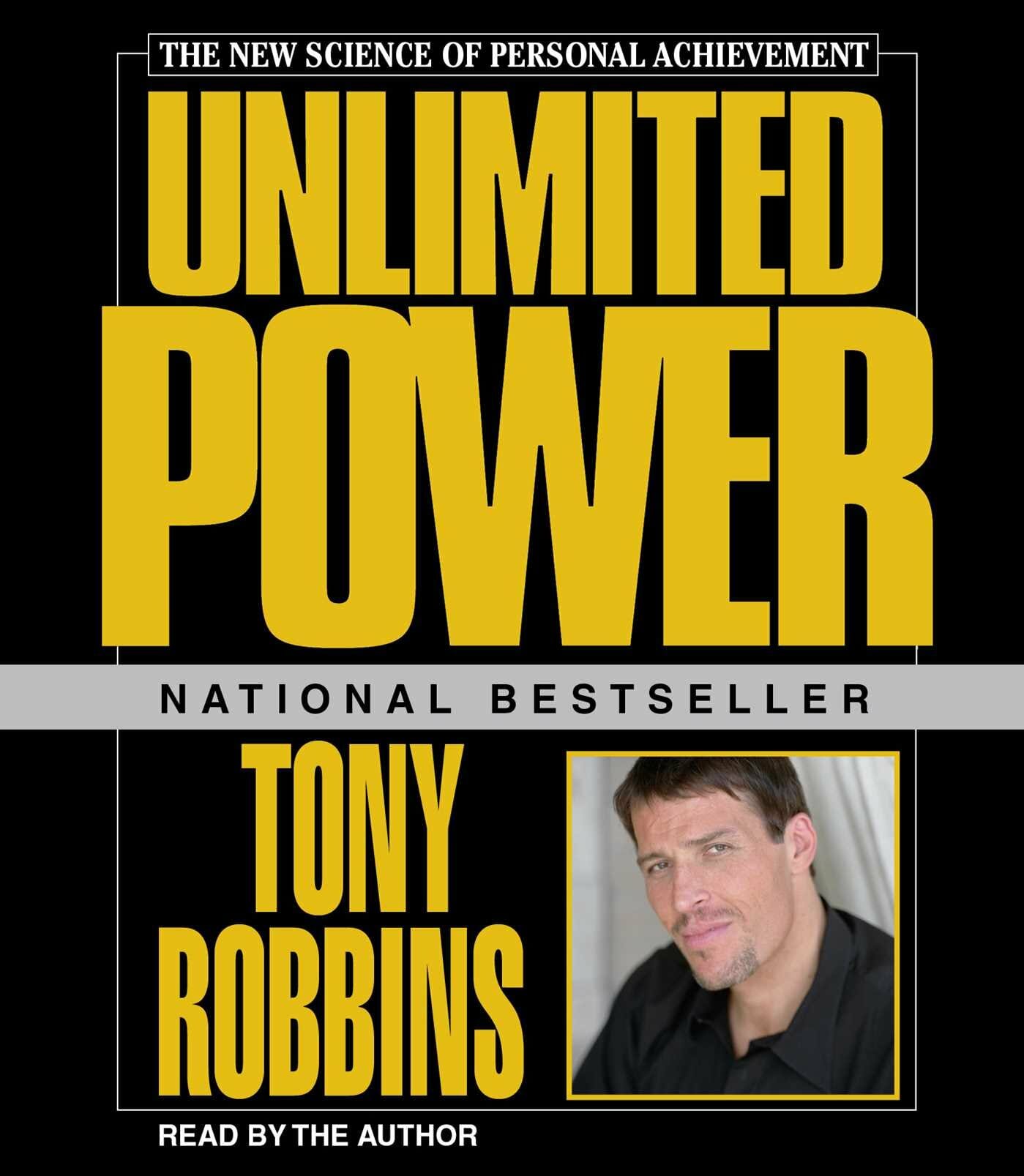
The long delay was due to working, moving, broken laptop, tests and the list goes on. The good news is I have “Linchpin: Are you Indispensable?” and “Unlimited Power”, finally finished waaay longer than I had originally planned though… So now I am wondering what is next on the to do list? Happy new year by the way and talk shortly hopefully.
All the best,
[Name]
After reading those both you don’t feel like you have an answer?